TEST4TPT · Global Health EDCTP3

Person-centred TB prevention through skin testing and community delivery

TEST4TPT is a three-year, multi-country research project testing whether accessible tuberculosis infection testing, AI-assisted result reading and community-based delivery help more household contacts start and complete TB preventive treatment. Mildmay Research Centre Uganda (MRCU) leads Work Package 6 on dissemination, policy engagement and sustainability, and contributes to the field validity study, the randomised trial and the feasibility research in Uganda.

WP6Work package led by MRCU
3Implementation countries
8Consortium partners
36Months, running to 2028

The challenge

Preventive treatment remains underused among the people most exposed to TB

Despite global progress against tuberculosis, millions of people at risk of developing TB disease still do not receive preventive treatment. A major barrier is the limited availability of practical, affordable and reliable tools to identify people with TB infection before they become ill. Conventional testing often requires several visits to a health facility, which is difficult in high-burden settings and increases loss to follow-up.

SIILTIBCY is a WHO-recommended skin test that offers improved specificity compared with the traditional tuberculin skin test and can be delivered at low cost. TEST4TPT builds on that innovation by testing whether digital tools and community-based delivery make TB prevention services more accessible, more efficient and more person-centred.

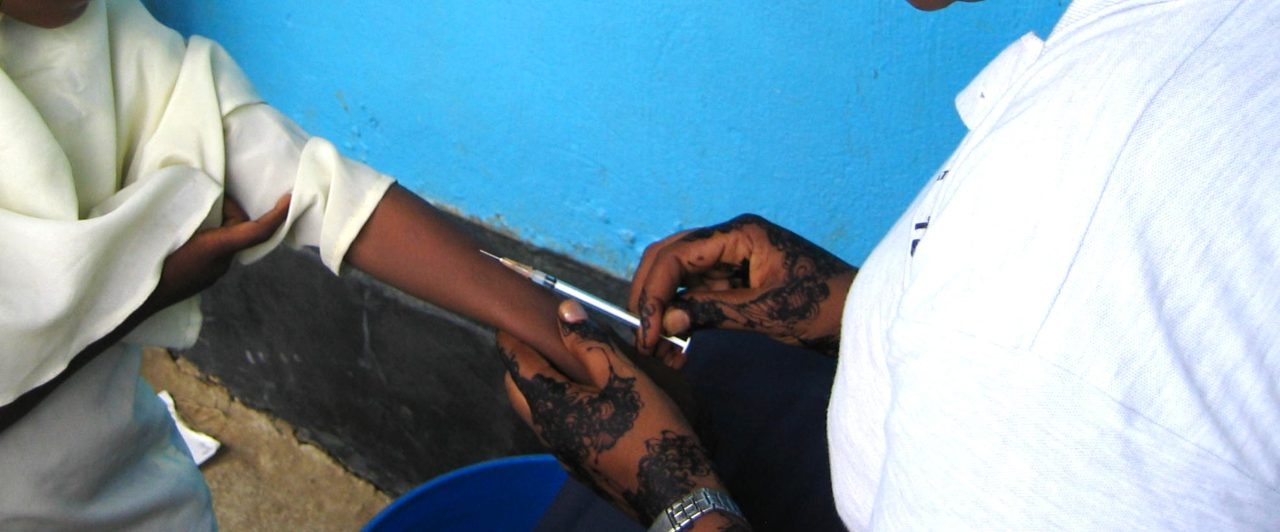
A health worker administering a TB skin test
A low-cost skin testSIILTIBCY is injected into the forearm and read 48 to 72 hours later, either by a trained health worker or with AI assistance.
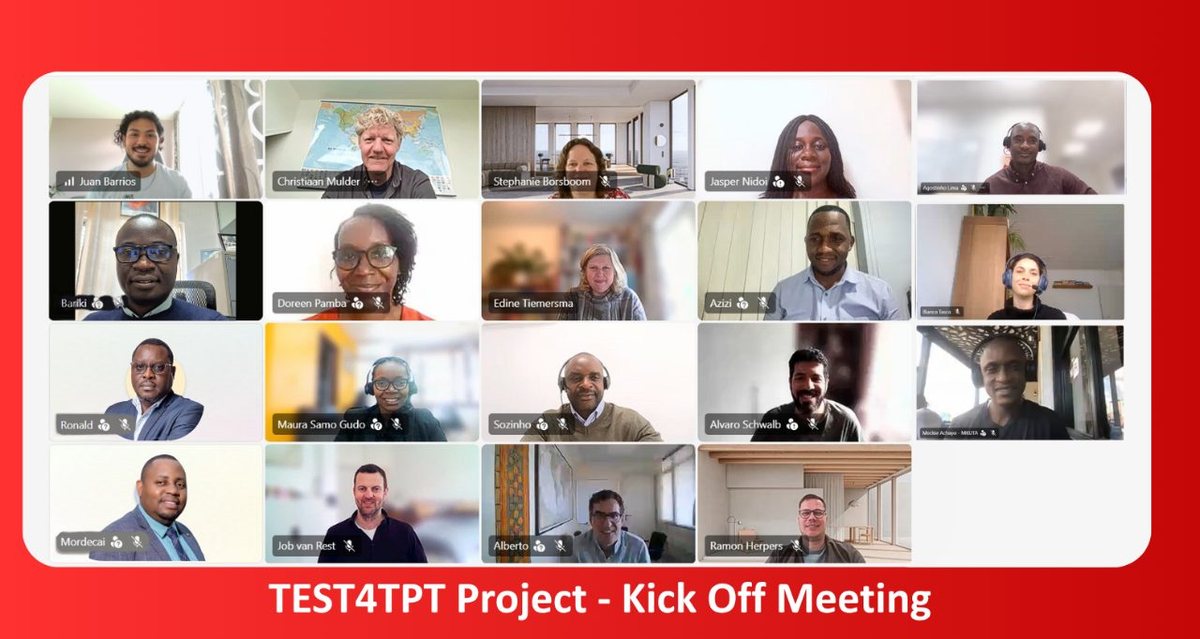
TEST4TPT consortium partners at the project kick-off meeting

Our role

MRCU leads Work Package 6

Work Package 6 covers dissemination, policy engagement and sustainability, and it runs for the full 36 months of the project. It is led by Dr. Ronald Mulebeke at MRCU, with KNCV Tuberculosis Foundation as collaborator. The job of this work package is to make sure the findings of TEST4TPT do not stop at publication, but reach the national programmes that decide whether a new approach is adopted.

Beyond WP6, MRCU is one of two Ugandan implementing partners alongside Makerere University Lung Institute. Our teams recruit and follow participants for the field validity study, run trial sites for the cluster-randomised trial, and conduct qualitative interviews for the feasibility and acceptability research.

  • Scientific publications, policy briefs for Ministries of Health, WHO and Africa CDC
  • Results presented at the Union World Conference on Lung Health, the EDCTP Forum and AHAIC
  • National TB policy dialogue forums and a regional policy summit with WHO-AFRO and Africa CDC
  • Knowledge translation tools, including infographics and job aids for community health workers
  • Sustainability roadmaps co-developed with national TB programmes
  • Open-access archiving of project datasets, publications and tools
What the consortium does

Seven work packages

The consortium is organised into seven work packages. MRCU leads one of them and contributes to four others.

WP1 · KNCV

Project coordination and management

Consortium governance, ethics harmonisation, reporting, risk tracking and liaison with Global Health EDCTP3.

WP2 · ISGlobal

Field validity of AI-assisted reading

Reliability of SIILTIBCY read with the SmartPatch and the AI-driven TBConnect app, compared with reading by trained health workers. MRCU recruits and tests participants in Uganda.

WP3 · KNCV

Pragmatic cluster-randomised trial

Three arms comparing standard of care, facility-based SIILTIBCY testing and home-based testing by community health workers. MRCU runs trial sites in Uganda.

WP4 · NIMR

Feasibility, acceptability and clinical utility

Mixed-methods research with participants, health workers and policymakers. MRCU conducts qualitative interviews in Uganda.

WP5 · LSHTM

Economic and impact evaluation

Cost-effectiveness modelling and transmission-sensitive analyses of the testing strategies.

WP6 · MRCU

Dissemination, policy engagement and sustainability

Led by MRCU. Scientific publishing, policy dialogue, knowledge translation, advocacy and sustainability planning across all three countries.

WP7 · MLI

Scientific project leadership

Led by Makerere University Lung Institute. Scientific coherence across the project, oversight of master protocols and data stewardship.

Aim

Improving initiation and completion of preventive treatment

The goal is to evaluate an integrated, community-based approach to TB infection testing that combines the SIILTIBCY skin test, community health worker support and AI-assisted result reading, so that more close contacts of people newly diagnosed with pulmonary TB start and complete preventive treatment.

Validation of AI-assisted testing

Assessing the reliability and diagnostic accuracy of the SmartPatch device and TBConnect application that support AI-assisted reading of SIILTIBCY results.

Pragmatic cluster-randomised trial

Comparing facility-based and home-based approaches to testing and preventive treatment delivery among household contacts.

Feasibility and acceptability

Mixed-methods research on how acceptable, feasible and clinically useful the intervention is for communities, health workers and policymakers.

Economic and impact evaluation

Cost-effectiveness of the testing strategies and their modelled impact on TB transmission, incidence and disability-adjusted life years averted.

Where we work · Uganda

Strong national progress, with coverage gaps that remain

TEST4TPT is implemented across primary healthcare facilities in Mozambique, Tanzania and Uganda, working closely with National TB Programmes, health workers, community health workers and affected communities. In Uganda the work is concentrated in the South Central region.

67%of household contacts of people with TB received preventive treatment in Uganda in 2023
>90%treatment completion across all age groups
75%of eligible children under five started on preventive treatment in Q1 2025
76%of eligible contacts aged five and above started in Q1 2025

How TEST4TPT shows up locally

Despite encouraging national progress, coverage remains below target, particularly among older household contacts, and varies considerably across regions. Strengthening access to testing, contact investigation and person-centred prevention services is essential so that more people at risk benefit from preventive treatment.

  • Teams build on differentiated service delivery innovations already piloted in Uganda, while documenting fidelity so the model can be replicated elsewhere.
  • Household workflows emphasise respectful confidentiality, caregiver involvement for minors, and linkage back to clinics for medicines regulation.
  • Geographic prioritisation and monitoring cadence follow national programme alignment and consortium reporting.
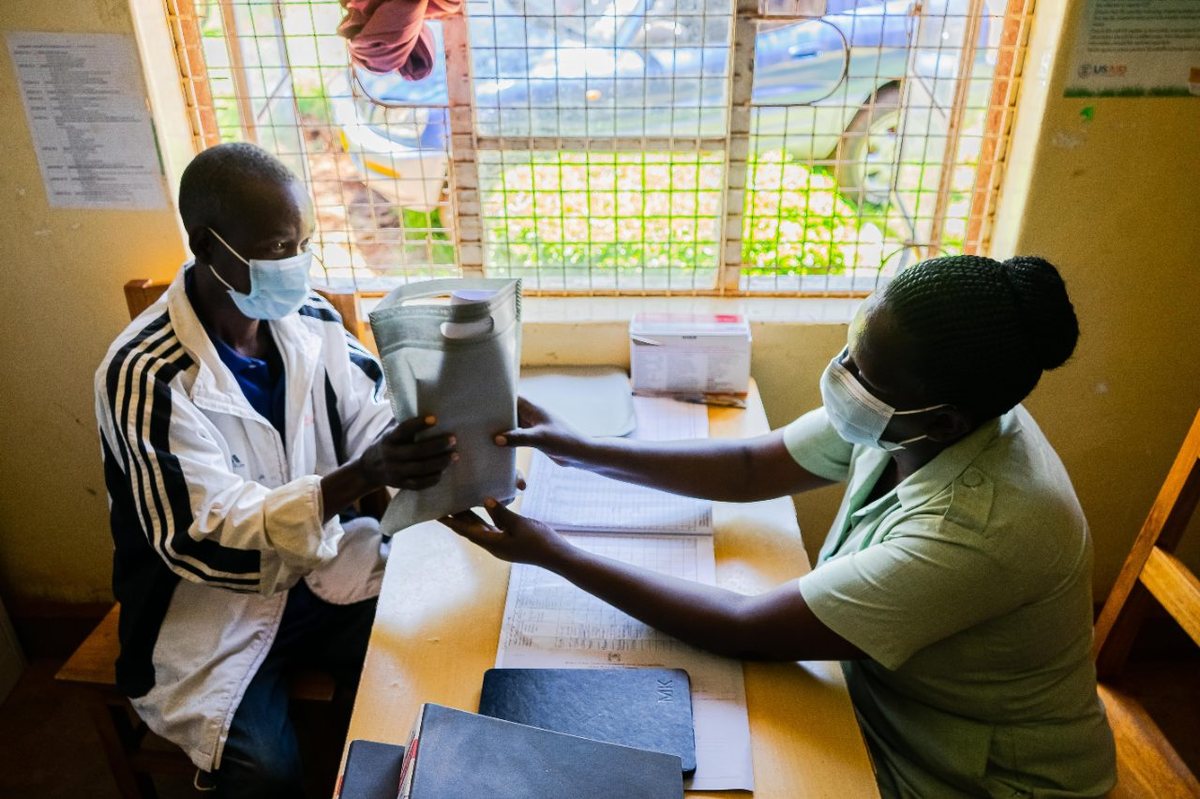
A health worker and a patient at a primary healthcare facility
Uganda in-country partnersMakerere University Lung Institute and Mildmay Research Centre Uganda.

Consortium

Eight partners across Africa and Europe

TEST4TPT is coordinated by KNCV Tuberculosis Foundation and combines expertise in epidemiology, implementation science, digital health, community engagement, health economics, clinical research and policy translation.

Coordinator · Netherlands

KNCV Tuberculosis Foundation

Consortium management, science, grant management, digital health support and communications. Leads WP1 and WP3.

Uganda

Makerere University Lung Institute

Scientific project leadership across the consortium, and an implementing partner in Uganda. Leads WP7.

Uganda

Mildmay Research Centre Uganda

Dissemination, policy engagement and sustainability, and an implementing partner in Uganda. Leads WP6.

Tanzania

National Institute for Medical Research

National research leadership in Tanzania. Leads WP4 on feasibility, acceptability and clinical utility.

Tanzania

MKUTA

Mwitikio wa Kudhibiti Kifua Kikuu na UKIMWI Tanzania, a community-based organisation contributing community health worker delivery and civil society engagement.

Mozambique

Centro de Investigação em Saúde de Manhiça

Clinical and implementation research leadership for the study sites in Manhiça District, Maputo Province.

Spain

ISGlobal

Barcelona Institute for Global Health. Leads WP2 on the field validity of AI-assisted reading.

United Kingdom

London School of Hygiene & Tropical Medicine

Health economics and modelling. Leads WP5 on economic and impact evaluation.

MRCU team

The Mildmay Research Centre Uganda team on TEST4TPT

Dr. Ronald Mulebeke

Dr. Ronald Mulebeke

Director and Work Package 6 lead. Provides strategic leadership for dissemination, policy engagement and sustainability.

Dr. Wandera Uthmaan Muluga

Dr. Wandera Uthmaan Muluga

Study Coordinator.

Elizabeth Muhumuza

Elizabeth Muhumuza

Research Associate. Qualitative and mixed-methods research across HIV, tuberculosis and mental health.

Racheal Dedibo

Racheal Dedibo

Grants Management and Research Ethics Committee Administrator.

Dr. Alex Mulindwa

Dr. Alex Mulindwa

Epidemiologist, MRCU and the Ministry of Health. Family physician and public health specialist working on national TB and leprosy surveillance.

Roy Alia Asiku

Roy Alia Asiku

Communications, dissemination, data systems and digital coordination for Work Package 6.

Expected impact

Evidence for a more accessible model of TB prevention

  • Increase the number of eligible contacts who start and complete TB preventive treatment.
  • Improve access to affordable and reliable TB infection testing through digital and community-based approaches.
  • Provide evidence on the effectiveness, feasibility, acceptability and cost-effectiveness of decentralised TB prevention models.
  • Support National TB Programmes with practical implementation guidance and policy-relevant evidence.
  • Reduce unnecessary preventive treatment by improving identification of people with evidence of TB infection.
  • Strengthen community health systems through greater involvement of community health workers and digital health innovations.

Funding

Global Health EDCTP3 Joint Undertaking

The Global Health EDCTP3 Joint Undertaking supports international research partnerships that accelerate the clinical evaluation of drugs, vaccines and diagnostics for key infectious diseases affecting sub-Saharan Africa, as well as novel approaches for surveillance and control of emerging and re-emerging infections. It also strengthens clinical research capacity in sub-Saharan Africa.

This project has received financial support from Global Health EDCTP3 as part of the Horizon Europe Programme, under Grant Agreement No. 101249120, co-funded by the European Union.

Views and opinions expressed on this page are those of Mildmay Research Centre Uganda only and do not necessarily reflect those of the European Union or the Global Health EDCTP3 Joint Undertaking. Neither the European Union nor the granting authority can be held responsible for them. Communication materials are subject to consortium approval.

Global Health EDCTP3 Co-funded by the European Union

Collaboration

Working on tuberculosis prevention, diagnostics or community delivery?

MRCU welcomes collaboration with national programmes, universities, implementers, funders and communities working to close the gap in TB preventive treatment.

Contact MRCU