Implementation Research

Making things that work actually reach people

Knowing that an intervention works is not the same as getting it delivered. Mildmay Research Centre Uganda (MRCU)'s implementation research asks how services reach real populations: what people do, what health systems can sustain, what it costs, and what has to change for coverage to improve.

What this stream covers

A different question from the clinical one

Our clinical research asks whether a treatment works. Implementation research asks what happens next: whether people start it, stay on it, can reach it, will accept it, and whether a health system can afford to deliver it at scale.

The work is deliberately multidisciplinary. Behavioural scientists, health economists, implementation scientists, qualitative researchers and public health specialists work alongside clinicians, and alongside the district health teams and communities where services are actually delivered.

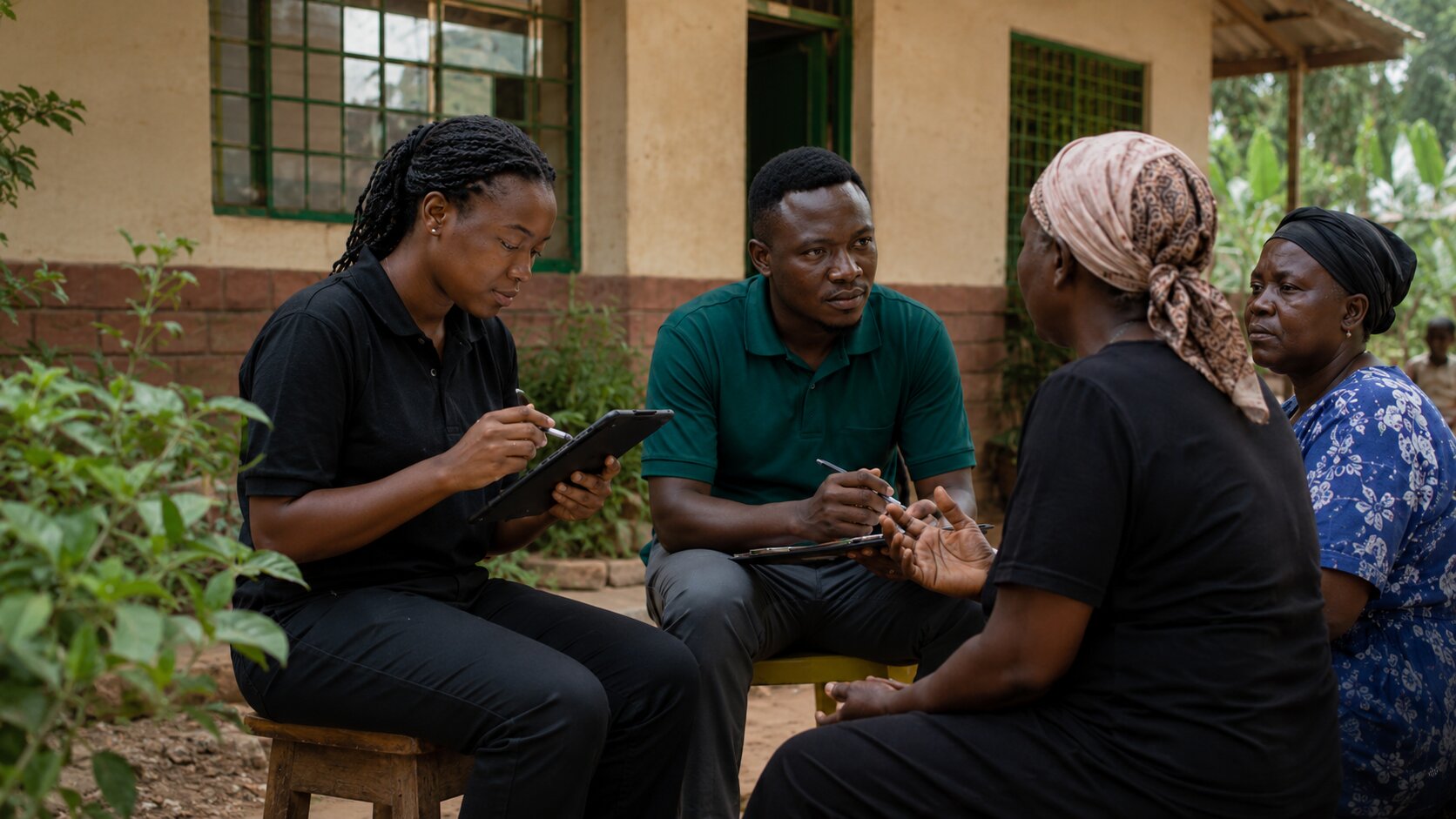
Implementation research fieldwork
Evidence from where care happensFieldwork in households, communities and district health facilities, not only in clinics.

Focus areas

Four strands of implementation science

Behavioural science

Why people do what they do about their health: adherence and habit formation, behavioural economics and incentives, HIV self-testing, PrEP uptake, stigma and care-seeking behaviour.

Health systems and service delivery

Differentiated service delivery models, provider capacity, gender-transformative implementation strategies, and integration of new services into routine care.

Public health and epidemic response

Epidemic preparedness, immunisation integration, community awareness and screening campaigns, TB and HIV service models, and care for fisherfolk, urban refugees and other high-risk populations.

Health economics and evaluation

Cost-effectiveness analysis, transmission and impact modelling, and independent evaluation consultancies for programmes and implementing partners.

Implementation studies

Studies and projects in this stream

Global Health EDCTP3

TEST4TPT

A multi-country study of whether community-based delivery, skin testing and AI-assisted reading get more household contacts onto and through TB preventive treatment.

Open project page
NIH / NICHD

GOALS

A randomized controlled trial testing whether small airtime incentives improve ART adherence among young people living with HIV in Kampala, using behavioural economics.

Pilot randomized trial

INMIND

Incentives and reminders to improve long-term medication adherence, testing structured models for building durable adherence habits.

NIH / NIMH

Depression Care and PMTCT

A model for integrating depression care into antenatal clinics to improve adherence to the PMTCT continuum and maternal and child health outcomes.

NIH

Gender-Transformative HIV Care

Developing and evaluating a gender-transformative implementation strategy to improve provider capacity for equitable HIV care in Uganda.

ViiV / GSK

Pediatric Breakthrough Partnership

Implementation research on the impact and effectiveness of the Pediatric Breakthrough Partnership across Mozambique, Nigeria and Uganda.

PEPFAR / CDC

Epidemic Control Project

A five-year epidemic control programme across eight districts of the Mubende region that generated longitudinal datasets still informing community health programming.

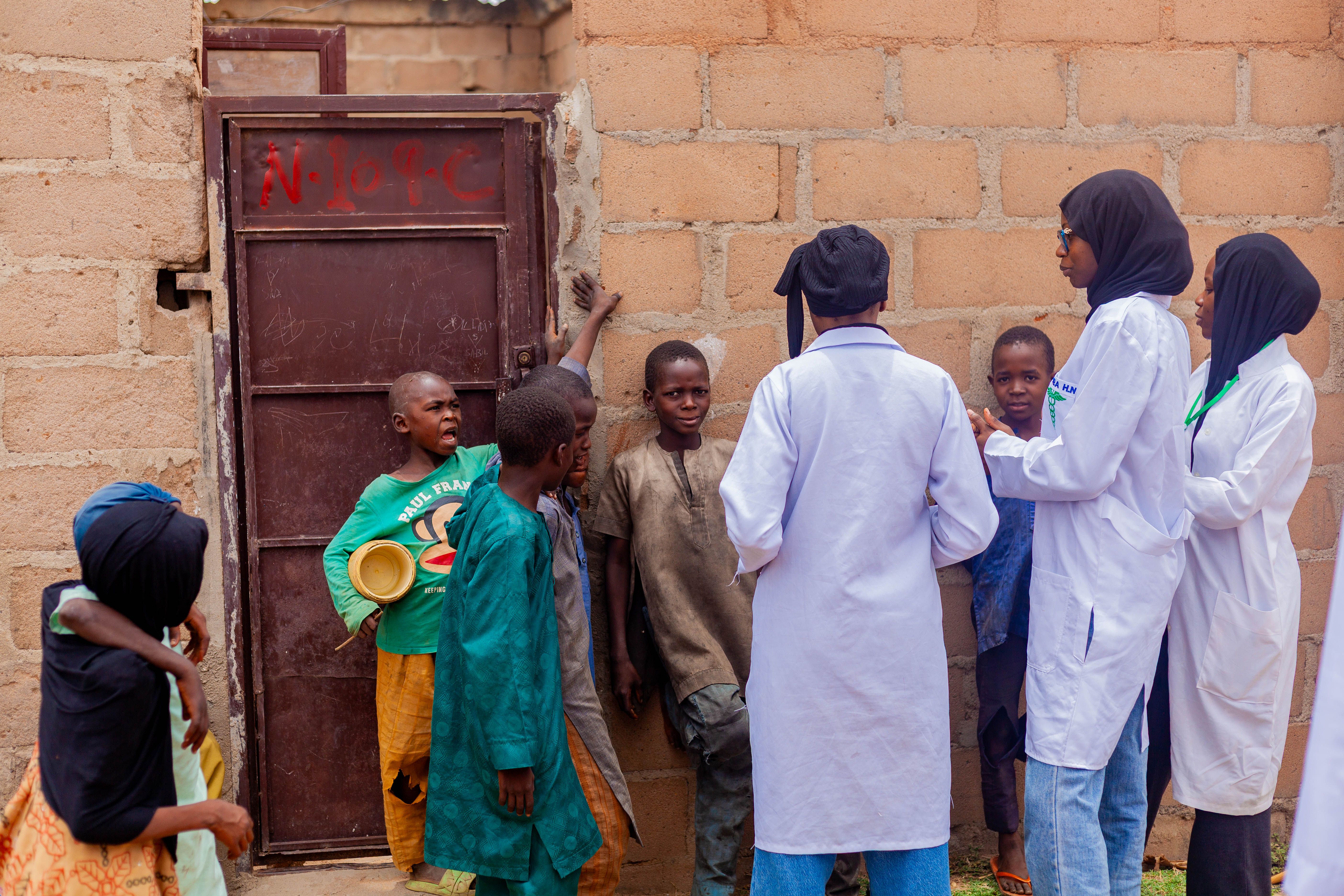
Community health outreach

Why this work lands

Embedded in the health system it studies

MRCU's implementation research is not conducted at arm's length. The centre sits inside a health group that delivers care, holds a population and disease surveillance cohort, and has worked with district health teams across Uganda's Central region for more than two decades.

That proximity is what makes findings usable. Studies are designed with the people who would have to deliver the intervention, tested in the conditions where it would actually run, and reported back to the national programmes that decide whether it scales.

  • Longitudinal population data for measuring change over time
  • Established community advisory boards and consented field workflows
  • Working relationships with the Ministry of Health and national programmes
  • Mixed-methods capability: trials, qualitative work, economics and modelling

Collaboration

Working on coverage, uptake, cost or scale-up?

MRCU partners on implementation trials, mixed-methods evaluations, economic analyses and health systems research across HIV, TB, maternal health and epidemic response.

Work with us