Population and disease surveillance
The Urban Population and HIV Co-morbidities Surveillance Cohort
The cohort follows 14,700 active patients living with HIV across the Greater Kampala Metropolitan Area, covering Kampala, Wakiso and Mukono districts. It has been running for 27 years and draws on the clinical histories of more than 160,000 patients built up over that time, predominantly HIV and its related comorbidities.
It is retrospective and prospective at once. Participants are already in routine care at Mildmay Hospital Uganda and return on their regular schedule, so every visit adds to a history that often runs back years. Laboratory results and clinical findings have been recorded continuously since October 2017, and tuberculosis treatment records reach back to 2012. Prospective follow-up carries those histories forward and adds the household, behavioural and social measures a clinical record never captures.
Index participants include children and adults, and household members are enrolled with them, so the cohort can observe the conditions people actually live in. Follow-up runs on REDCap alongside the hospital record in ClinicMaster, through a modular, geo-tagged instrument with built-in validation.
- Comorbidities followed: tuberculosis, hypertension, diabetes and mental health, alongside hepatitis B and C, cancer and nutritional status
- HIV clinical measures: date of diagnosis, ART regimen and start date, WHO stage, adherence and retention in care
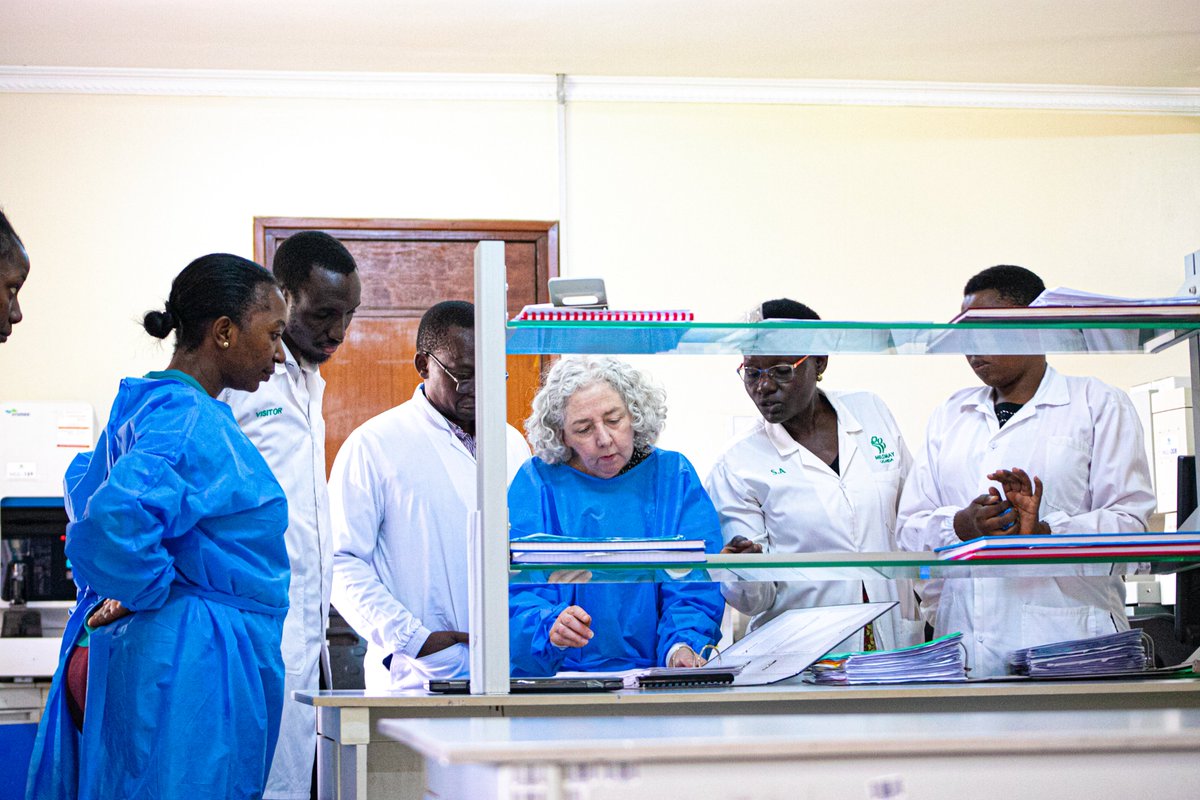
- Laboratory measures: CD4 count and viral load, linked to the hospital laboratory record
- Demographic and vital events: births, deaths, in and out migration, pregnancy and pregnancy outcomes
- Household and social determinants: household structure, service utilisation, stigma, health-seeking behaviour and living conditions